Updated 5 months ago
Construction Hazards for Electricians: Electrical and Non-Electrical Risks Explained
Written by
Laura Brown
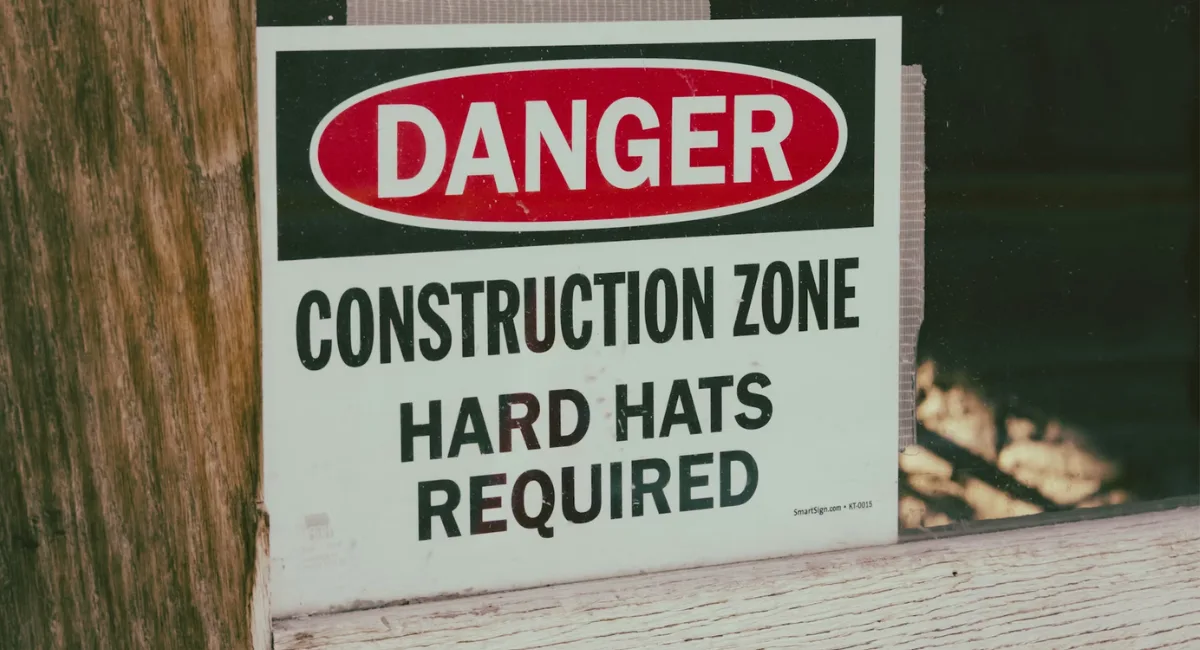
There are many hazards the electrical worker will come across, not all of which are electrically-related. Falls, confined spaces, asbestos, moving machinery, loud noises, environmental dangers, electrical hazards, and many others all need to be on the mind of the safety-conscious electrician. You should be constantly evaluating your working environment and looking for any potential dangers.
This article will give a brief overview of the many dangers associated with working in the electrical industry. This is by no means a complete list of the hazards encountered by an electrician on a daily basis, but a sample that will help begin the process of understanding construction safety.
You should be constantly evaluating your working environment and looking for any potential dangers. rticle will give a brief overview of the many dangers associated with working in the electrical industry. This is by no means a complete list of the hazards encountered by an electrician on a daily basis, but a sample that will help begin the process of understanding construction safety.
Hazards of Electricity
There are many hazards an electrician will deal with that are associated with electricity. Most people think only of electrical shock, but there are others, all of which can lead to permanent injury or death.
Electrical Shock
Electrical shocks can vary from being a slight tingle to a shock resulting in death. The severity of a shock is determined by three key factors: the amount of current, the path of the current, and the amount of time the current flows.
Always turn the power off before working on a circuit. The only time it may be permitted to work on something “hot” is if this is necessary for taking measurements, or if turning it off presents a greater hazard. If a piece of equipment must be worked on while energized, the proper safety procedure must be followed and the appropriate personal protective gear must be worn. (Figure 1)

Figure 1 This worker is wearing voltage-rated gloves with leather protectors to prevent an electrical shock while taking voltage measurements in a meter socket.
Arcing Incident
An arcing incident consists of an arc flash and arc blast. (Figure 2) Depending on several variables, it could be a small incident (for example, two wires shorting together in a switch box), or it can be very large and rip apart equipment.
When conductors or a piece of equipment have a fault—which could be a short circuit or ground fault—a large amount of current flows, causing an explosion which can vaporize copper instantly. This vaporized copper is hotter than the surface of the sun; the shock wave is similar to that of dynamite; and the noise level is damaging to the ears.
Understanding the hazard and wearing the proper personal protective gear can minimize harm in the case of an arcing incident.

Figure 2 Workers exposed to an arc flash are subjected to extremely high temperatures, flying shrapnel, loud noises, blinding light, and very powerful shockwaves.
Falls (resulting from electrical shock or witnessing an arcing incident)
Electricians often work on ladders or scaffolding. Receiving a shock or witnessing an arcing incident can cause a person to lose their balance and fall.
Jerk Reaction (resulting from electrical shock or from witnessing an arcing incident)
When a person receives an electrical shock or witnesses an arcing incident, their reflex is to jerk and move away. This may cause a person to move their hand into a sharp object or moving machinery, inadvertently hit a start or stop button, or throw an object into another worker or piece of equipment.
General Construction Hazards
In addition to the electrical hazards found on a construction site, there are many hazards that are not electrical. The following is an overview of some of the general construction hazards.
Falls
Construction workers work from elevated platforms and ladders on a daily basis. Injuries from falls are some of the most common on a construction site. Ladder safety, scaffold safety, and using a harness that is properly tied off are essential parts of staying safe when working above ground level. (Figure 3)
There are often openings in the floor during the construction process for elevators, stairwells, ventilation ducts, etc. A person must have a constant awareness of them and keep a safe distance.

Figure 3 Scaffolding and other elevated platforms used on construction sites create a fall hazard. Working in these situations requires a worker to have had training on the proper working procedures and wear the appropriate personal protective equipment
Confined Spaces
Many people don’t understand what is classified as a confined space, or realize the dangers. A few examples of confined spaces are: manholes, the inside of tanks or silos, underground vaults, tunnels in buildings, and trenches.
A confined space may contain hazardous gases, have the potential for a cave-in, or lack oxygen. It is important to know and follow the proper procedures when entering a confined space.
Moving Equipment and Machinery
Construction sites typically have equipment such as forklifts, scissor-lifts, earth-moving equipment, trenchers, cranes, etc. It is important that the equipment operator is looking out for people and objects, but it is also important for everybody else on the jobsite to watch out for the equipment.
Industrial jobs will have all the equipment mentioned above, but may also have machinery and equipment which are part of the process of the plant and that must be carefully worked on or around. (Figure 4)
It is important that workers understand the hazards of the process and maintain not only their personal distance, but also a safe distance with tools and materials. Foreign materials such as a piece of conduit accidentally getting tangled in equipment or even pushing a stop button can have devastating effects.
Before working on equipment or machinery it is extremely important that all power has been removed and that all stored energy has been released.

Figure 4 Equipment and machinery will often have moving parts that can cause serious injury if an object or part of the body comes into contact with it.
Loud Noises
Construction sites and manufacturing plants are noisy places. From pounding nails to operating a hammer drill, a lot of the work an electrician does will create noise that can cause permanent hearing damage. You must also consider the noise created by other workers on a job site or by machinery in an industrial process. There isn’t any realistic way to completely eliminate the noise on a jobsite, but by wearing the proper ear protection you can prevent hearing loss.
Flying or Falling Objects
Power tools, hammering, and machinery can all cause objects to be thrown at very high speeds. Safety glasses should be worn at all times, as the flying object may come from you, somebody working near you, or a machine (for example, the saw shown in figure 4).
If equipment or people are working above you there is a possibility that a tool or piece of material may fall and hit you on the head. Hard hats are used to help prevent head injuries from falling objects. They may also save your head from a bruise or cut if, for example, you are working in the ceiling and turn into a piece of steel in the rafters, or stand up and hit a metal edge.
Environmental Dangers
Electricians will occasionally have to work in extreme conditions. Winter work may be in sub-zero temperatures, while summer work may take place in temperatures well over 100 degrees. Not wearing the proper attire for the situation can be damaging to the body or even life-threatening. Proper nutrition and hydration also play an important role.
Inhaling Particles or Vapors
Construction is often extremely dusty, especially if it is a remodel. Particles such as asbestos or concrete dust can be hazardous to your health. It is important to use the proper procedures to prevent the inhalation of these items. Simply using a mask may not provide the necessary protection. NOTE: disruption of asbestos must be avoided and removal should only be done by trained professionals.
Toxic vapors and gases are often present on a construction site. A few examples are: PVC glue; fumes from sprayed polyurethane insulation; and the exhaust from portable propane or other types of heaters, propane or diesel lifts, and skid-steer loaders. (Figure 5) Proper ventilation is essential to prevent hazardous conditions.

Figure 5 Portable heaters that are often used on a construction site can create a hazard if there isn’t enough fresh air or they aren’t used properly.
Cuts
Most construction workers will sustain minor cuts and injuries from time to time. Even minor cuts can slow your work down and make things difficult. Some injuries and deep cuts will have lasting effects even after they have healed. For example, a deep cut in a finger will be sensitive to touch and cold long after it has healed. (See Figure 6)

Figure 6 Cuts on your hand can make your job very difficult if you work with your hands.
Working with hand and power tools can very quickly and easily cut or injure a worker. Remember to avoid rushing and take the necessary precautions to avoid injuries from tools.
Many of the materials installed by electricians and the other construction trades have extremely sharp edges. A person must always be on the lookout for objects or scenarios which could cause injuries, and do what is necessary to avoid them.
It is important to remember that if you feel uneasy about what you are doing, an injury is probably right around the corner. Stop, and do what is necessary to ease your mind and make the task safe.
Wearing gloves will help avoid some of the minor cuts and injuries to workers’ hands. (Figure 7) It is important to have gloves that fit well and allow good finger movement and dexterity.

Figure 7 Work gloves can help protect a worker’s hands from minor cuts and injuries.
In the case of a deep cut or injury, seek medical attention immediately. Waiting several hours before getting treatment may cause the injury to worsen, or limit how a doctor can treat it. For example, if a cut is several hours old, doctors will often not be able to stitch it up.
It is also important to let the doctor know that the injury happened at work, so you won’t be held personally responsible for the bill and any related treatments which may be necessary at a later date.
Jewelry
Jewelry can create a serious safety hazard when worn at work. Earrings, necklaces, and rings can get caught on or stuck in objects. Many construction workers wearing rings have caused serious injury to their finger due to getting them caught on objects such as the top of a ladder. (Figure 8) Some have even torn their finger right off .
Another danger associated with wearing jewelry at work is the possibility of it becoming energized. Rings, necklaces, etc. that come in to contact with an energized component can cause electrical shock and may become extremely hot, resulting in severe burns. The only way to avoid these dangers is to leave all jewelry at home.

Figure 8 Rings shouldn’t be worn at work, as they can cause a serious injury if they get caught on something or become energized.
Horseplay
It is important to have a good relationship with your fellow workers and enjoy working on the job, but there is a time and place for “messing around.” Something that starts out innocently, like tossing small objects at someone, pushing, or trying to scare or startle someone, can lead to serious trouble.
A few examples of innocent jokes that can lead to dangerous incidents:
- Throwing an object such as a wire nut, strap, etc. This can startle a person, causing them to cut themselves, move their hand into moving machinery, or look up just as the item is tossed and get hit in the face or eye.
- Pushing or nudging. Even a slight push can cause a person to lose their balance and fall down a flight of stairs, off a building, or onto an object causing injury.
- Pounding on a wall. It may seem funny to use a hammer to hit the opposite side of the ceiling, wall, or floor where someone else is working in order to startle them. The problem is that you don’t know what that person is working on. You could cause someone about to hammer something to hit their finger; someone about to cut into a wire to accidently cut themselves; or someone to slip while working in an electrical panel and cause an arc blast.
The little bit of humor and amusement from goofing around isn’t worth the potential hazard that comes along with it. Save the messing around for when you aren’t at work.
Alcohol and Drugs
There is no place on the jobsite for alcohol and illegal drugs. People with alcohol or illegal drugs in their system create a hazard to themselves and others. They tend to take more risks, have slower reflexes, lack the ability to make good decisions, and have lower productivity.
Many employers implement drug testing and have a written no-tolerance drug policy, whereby a person under the influence of illegal drugs or alcohol at work will be immediately terminated.
Hangovers and lack of sleep create hazards similar to those caused by alcohol or illegal drug use. A person who comes into work with a hangover will often become dizzy on a ladder or scaffold, have slower reflexes, lack the ability to make good decisions, and have lower productivity. Studies have shown that lack of sleep can have some of the same effects as drug and alcohol abuse; most adults need seven to eight hours of sleep each day.
There are also a variety of legal drugs that may present a hazard. Many prescription and non-prescription drugs create side effects that may impair workers’ abilities. Always read the label of the drug you are taking to see if it will have any adverse effects that may create a hazard.
Drugs that may not create any problems on their own can interact when combined and cause a person to become impaired. If taking more than one prescription or non-prescription drug, be sure to check with your doctor or pharmacist about any possible drug interactions that could impair your abilities.
Conclusion
There are several potential hazards on a jobsite that are related to electricity:
- Electrical Shock
- Arcing Incident (arc flash/arc blast)
- Fall (due to a shock or arcing incident)
- Jerk reaction (due to a shock or arcing incident)
There are many potential hazards on a jobsite that are not electrically-related:
- Falls
- Confined spaces
- Moving equipment and machinery
- Loud noises
- Flying or falling objects
- Environmental dangers
- Inhalation of particles or vapors
Cuts can be avoided at work by wearing gloves, using caution, and being aware of nearby dangers.
Jewelry should not be worn at work due to the danger of it becoming electrically energized or caught on an object.
There is no place for horseplay on a job site. Innocent goofing around may lead to a person sustaining a serious injury or fatal accident.
People with alcohol or illegal drugs in their system create a hazard to themselves as well as others. People using alcohol or drugs on the job tend to take more risks, have slower reflexes, and lose the ability to make good decisions. Lack of sleep or a hangover can create symptoms similar to those of a person under the influence of alcohol or drugs.
By understanding the hazards involved, following safety guidelines, and staying alert you can make the jobsite a safer place.