Updated 5 months ago
Electricity and the Human Body: Understanding Shock Hazards (NFPA 70E)
Written by
Ahmed Sheikh

What is the difference between receiving an electrical shock and being electrocuted? Electrical shock happens when a negligible amount of current passes through the body. The effects of receiving a shock can range from being slight and hardly noticeable to very severe, causing serious injury or death. Electrocution is death resulting from an electrical shock. There are several possible consequences of receiving an electrical shock.
Figure 1 lists a few of these dangers, all of which could end up being fatal.
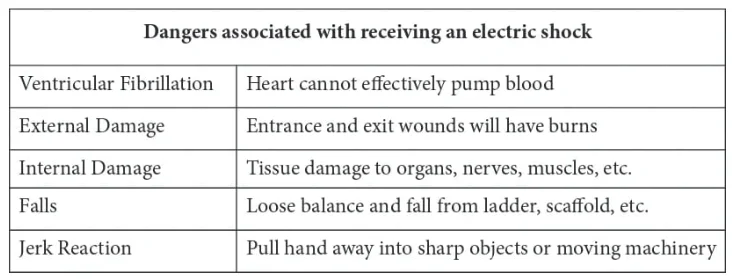
Figure 1 This chart lists some of the dangers associated with receiving an electrical shock.
What Determines The Severity of a Shock?
The severity of an electrical shock is determined by three factors:
- the amount of current,
- the path of the current, and
- the amount of time the current flows.
Notice that the common element of all three factors is current. (Figure 2) At a current level of approximately 1 milliamp, a person will feel a slight tingling sensation. At a level of approximately 20 milliamps a person’s muscles will contract, preventing them from letting go of the circuit. At a level of approximately 100 milliamps, the heart may fibrillate and stop beating.
To put these current levels into perspective, it takes 500 milliamps to light a 120-volt 60-watt lamp—five times the amount of current necessary to cause ventricular fibrillation.
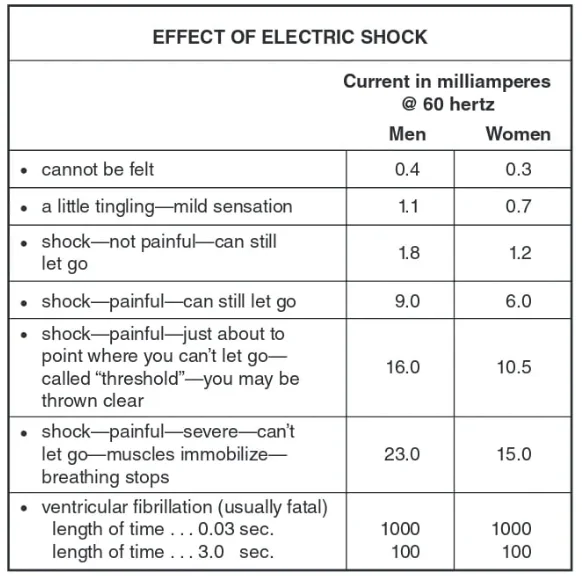
Figure 2 This chart lists the effects various current levels will have on the human body.
Amount of Current
The amount of current is the first determining factor in the severity of an electrical shock. As little as fifteen milliamps (.015A) of current can be lethal. The amount of current that flows through the body is determined by the voltage of the power source, the resistance of the body, and the amount of available current.
Although voltage isn’t considered a determining factor in the severity of a shock, it is one of the factors which determine how much current will flow. Ohm’s law identifies the relationship between voltage, current, and resistance. (Figure 3)
Voltage and current have a direct relationship: the higher the voltage, the higher the resulting current will be. For example, if a person with a resistance of 10,000 ohms were to receive a shock from a 120-volt power source, the current flow would be .012 amps. If the same person were to receive a shock from a 277-volt power source, the current flow would be .0227 amps. (See Figure 4 )
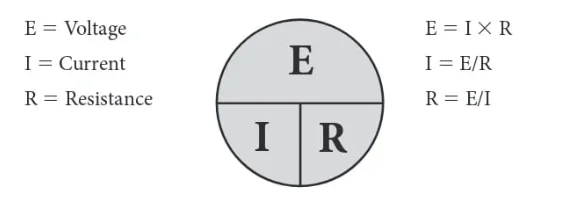
Figure 3 Ohm’s law shows the relationship between voltage, current, and resistance.
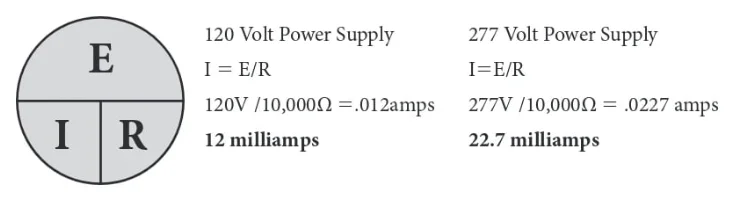
Figure 4 Voltage and current have a direct relationship. With a constant resistance, an increase in voltage will result in an increase in current.
The resistance of the human body is another factor that determines how much current will flow. The resistance of a person’s body can vary greatly; it depends on the part of the body that makes contact, whether a person has been perspiring, the amount of body fat, and many other factors. (Figure 5)
The inside of the human body has a very low resistance: if a person was to have a conductor penetrate the skin or touch a fresh wound, the current would have a fairly low resistance path. The skin is a person’s last line of defense, and its resistance can vary greatly.
A person with thick calluses will have a higher resistance than a person with baby-smooth hands. Likewise, a person with dry hands will have a higher resistance than a person with moist, sweaty hands. Regardless, there isn’t enough resistance in a person’s skin to protect against dangerous voltages.
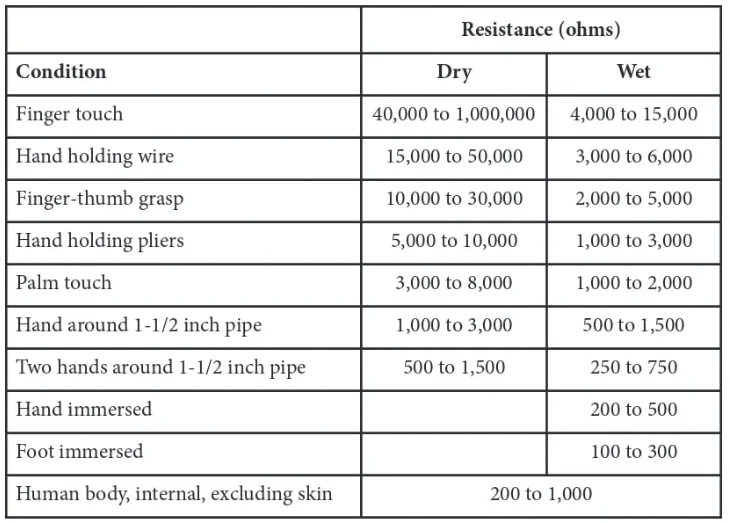
Figure 5 The resistance of a human body can vary.
Some power supplies will have a limited amount of current available. They may have extremely high voltages, but the current level will be limited to a value that isn’t lethal. An example of this is a stun gun or TASER®. (Figure 6) They have voltages in the tens of thousands, but only a limited amount of available current. The shock administered will hurt and incapacitate a person while the shock is being received, but isn’t lethal.
Another example of this is static electricity. A shock from static electricity is typically between 4,000 and 6,000 volts, but has low current and therefore isn’t lethal.
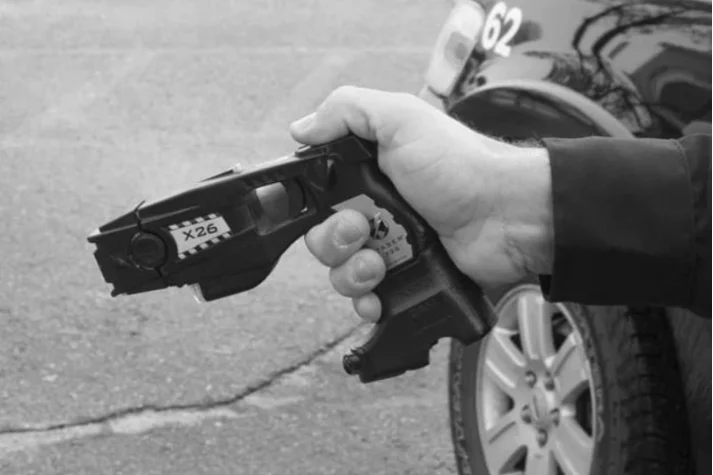
Figure 6 A stun gun used by correctional officers to incapacitate a person by administering an electrical shock.
Current Path
The path of an electrical current is the second determining factor in the severity of a shock. An electrical current that passes through the chest cavity poses a greater threat of causing serious injuries to organs or death than if the current path is in and out of the same hand. This is not to say that it isn’t dangerous to have a current flowing through a hand, but there is a much greater chance of lethal injury when the current passes through vital organs.
Current that flows near the heart may cause the heart to fibrillate. The amount of current flow which can cause the heart to fibrillate is generally in the range of 100–200 milliamps. When a heart fibrillates it begins to quiver and is unable to pump blood. The current paths that are most likely to cross the heart are hand-to-hand and hand-to-foot contact. (Figure 7)
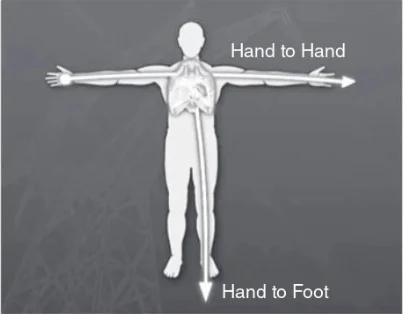
Figure 7 Current which crosses vital organs can cause serious internal injuries or death.
A person whose heart is fibrillating from an electrical shock will lose consciousness and require immediate medical attention. A heart that is fibrillating will typically not be able to recover its normal rhythm on its own, resulting in death. An Automated External Defibrillator (AED) will be needed to shock the heart back into a normal rhythm. (Figure 8)
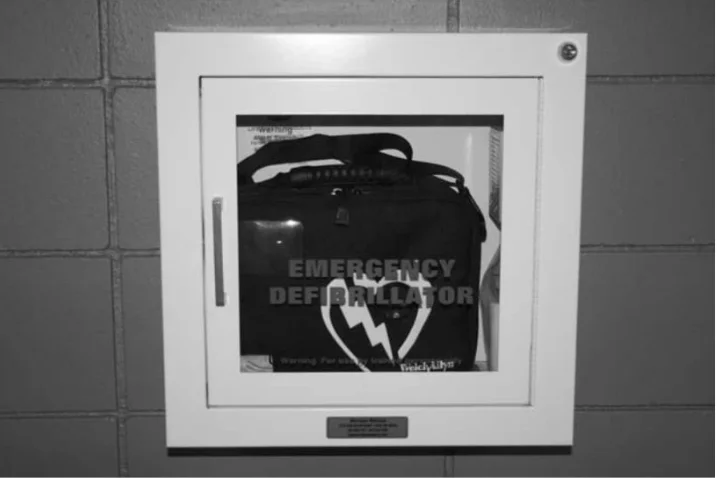
Figure 8 Some businesses will have Automated External Defibrillators in various locations on the premises.
Length of Time
The length of time a person is receiving a shock is the third factor which determines the severity of an electrical shock. The longer a person has current flowing through their body, the more damage will occur.
At lower current levels, the natural tendency is to jerk away when receiving a shock, limiting the shock time. At approximately 20 milliamps, however, a person loses the ability to pull away due to muscular paralysis, and the current will continue to flow through the person, burning a path through the body. A person can receive serious internal burns and tissue damage from this current flow.
Witnessing a Shock
What should you do if you witness someone receiving a shock? Hopefully the person is able to release themselves from the circuit. If the person is stuck on the circuit and not able to let go, the first step for the witness is to assess the situation. What is the voltage that the person is in contact with? If the person is in contact with a downed power line or medium voltage line, stand clear. Any attempt you make to physically remove the person will undoubtedly cause you to be in contact with the circuit as well—your safety must come first.
In the situation of a downed power line or medium voltage line, unless there is an accessible disconnect that can be turned off, the only thing you can do is call for help. If it is determined that the person is in contact with a typical residential or commercial voltage (which is considered low voltage by National Electric Code standards), the first thing is to try to remove the person from the circuit. The safest way to remove a person from the circuit is to simply turn off the power.
There are many ways a person can disconnect the power supply. It may be shutting off a switch, disconnect, breaker, or simply unplugging the cord. If the means of disconnecting the power isn’t close then it may be necessary to physically remove the person from the circuit. NEVER grab the person to pull them off the circuit. You may become a part of the circuit as well and become incapacitated.
If you need to push them off the circuit be sure to use something that is nonconductive, such as a dry piece of wood. Remember that most new lumber still has moisture in it, which could allow the board to be conductive and result in you becoming part of the circuit as well. Always put your own safety first. You won’t be able to help at all if you also become stuck in the circuit. Once a person has been safely removed from the circuit, administer First Aid.
In the event of an electrical shock, always seek medical attention. Whether the person was able to free themselves or had to be removed from the circuit by others, they need to go and have the injury checked out by a medical professional.
There may be internal damage that can’t be seen or felt, and some of the effects may not be immediate. Ventricular fibrillation can occur hours or even days after the shock. It is also good to have medical documentation in case of any future problems a person may have that could be related to the incident.
Need Help with NFPA 70E Training Content?
If you need professionally developed NFPA 70E training content, electrical safety modules, or assessment programs focused on arc flash, lockout-tagout, and safe work practices, we can help. We create structured, standards-aligned content tailored for engineers, electricians, and safety professionals. Reach out to explore NFPA 70E training content and curriculum development support.